

As a seasoned supplier of Gas Turbine Auxiliaries, I've witnessed firsthand the critical role these components play in the efficient and reliable operation of gas turbines. In this blog, we'll delve into the static characteristics of gas turbine auxiliaries, exploring their significance and how they contribute to the overall performance of gas turbine systems.
Understanding Gas Turbine Auxiliaries
Gas turbine auxiliaries encompass a wide range of components that support the primary functions of a gas turbine. These include systems for fuel supply, lubrication, cooling, control, and monitoring. Each of these components has specific static characteristics that are essential for the proper operation of the gas turbine.
The static characteristics of gas turbine auxiliaries refer to their physical and operational properties under steady - state conditions. These characteristics are crucial for determining the compatibility, efficiency, and reliability of the auxiliaries within the gas turbine system.
Key Static Characteristics
1. Physical Dimensions and Mounting
The physical dimensions of gas turbine auxiliaries are of utmost importance. They need to fit precisely within the available space in the gas turbine installation. For example, the fuel pumps and filters must be designed to fit into the designated compartments in the fuel supply system. Incorrect dimensions can lead to installation difficulties, increased vibration, and potential damage to the components.
Proper mounting is also a key static characteristic. Auxiliaries should be mounted securely to prevent movement during operation. This is especially critical for components that are subject to high levels of vibration, such as compressors and generators. A well - mounted auxiliary ensures stable operation and reduces the risk of mechanical failure.
2. Material Properties
The materials used in gas turbine auxiliaries are carefully selected based on their static characteristics. For instance, in the case of high - temperature components like High - Temperature Fasteners, materials with excellent heat resistance and mechanical strength are required. These fasteners must be able to withstand the extreme temperatures and pressures within the gas turbine without deforming or failing.
Similarly, the materials used in the lubrication system, such as the bearings and seals, need to have good wear resistance and low friction. Gas Turbine Bearing and Seals are made from specialized alloys and polymers that can operate effectively under high - speed and high - load conditions, ensuring smooth rotation and preventing leakage.
3. Flow and Pressure Ratings
Flow and pressure ratings are fundamental static characteristics for many gas turbine auxiliaries. In the fuel supply system, the fuel pumps must be able to deliver the required amount of fuel at the correct pressure to ensure proper combustion in the Turbine Combustion chamber. Incorrect flow or pressure can lead to incomplete combustion, reduced efficiency, and increased emissions.
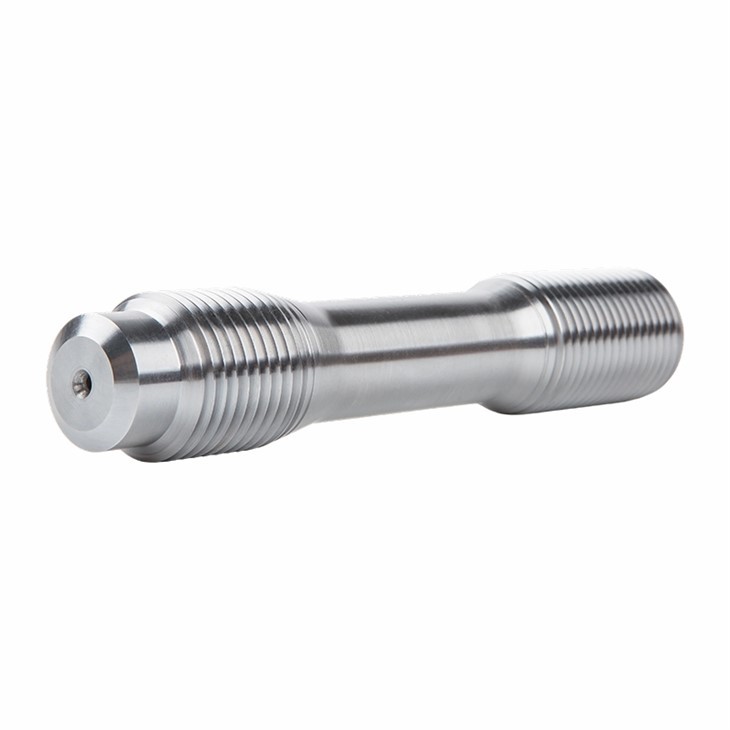

In the cooling system, the pumps and valves are designed to maintain the appropriate coolant flow rate and pressure. This is essential for keeping the temperature of critical components, such as the Gas Turbine Blade, within acceptable limits. Overheating of blades can cause thermal stress, leading to cracking and premature failure.
4. Electrical Characteristics
Many gas turbine auxiliaries rely on electrical power for their operation. The electrical characteristics, such as voltage, current, and power consumption, must be well - defined. For example, the control systems and sensors that monitor the performance of the gas turbine require a stable electrical supply. Incorrect electrical characteristics can lead to malfunctions in these systems, resulting in inaccurate data collection and potentially unsafe operation.
Significance of Static Characteristics
The static characteristics of gas turbine auxiliaries are not just technical details; they have a profound impact on the overall performance of the gas turbine system.
- Efficiency: Components with optimal static characteristics contribute to higher efficiency. For example, a well - designed fuel pump with the correct flow and pressure characteristics can ensure precise fuel delivery, leading to more complete combustion and less wasted fuel.
- Reliability: Reliable operation is crucial for gas turbines, especially in applications such as power generation and aviation. Components with appropriate material properties and mounting arrangements are less likely to fail, reducing downtime and maintenance costs.
- Safety: Safety is a top priority in gas turbine operation. Auxiliaries with proper static characteristics help to prevent dangerous situations, such as overheating, leakage, and electrical malfunctions.
Our Role as a Supplier
As a supplier of Gas Turbine Auxiliaries, we understand the importance of these static characteristics. We invest heavily in research and development to ensure that our products meet the highest standards.
Our engineers work closely with customers to understand their specific requirements and provide customized solutions. We use state - of - the - art manufacturing processes and quality control measures to ensure the consistency and reliability of our products. Whether it's a small - scale industrial application or a large - scale power plant, we have the expertise and resources to deliver high - quality gas turbine auxiliaries.
Contact for Procurement and Discussion
If you are in the market for gas turbine auxiliaries, we invite you to reach out to us. Our experienced sales team is ready to discuss your needs and provide detailed information about our products. We can offer technical support, product specifications, and pricing options to help you make an informed decision.
By choosing our gas turbine auxiliaries, you can be confident that you are getting components with excellent static characteristics, which will contribute to the efficient, reliable, and safe operation of your gas turbine system.
References
- Smith, J. (2018). Gas Turbine Engineering Handbook. McGraw - Hill Education.
- Andersen, L. (2019). Principles of Gas Turbine Auxiliary Systems. Wiley.